Rwanda Hosts Regional Training Workshop for Female Refrigeration and Air-conditioning Training
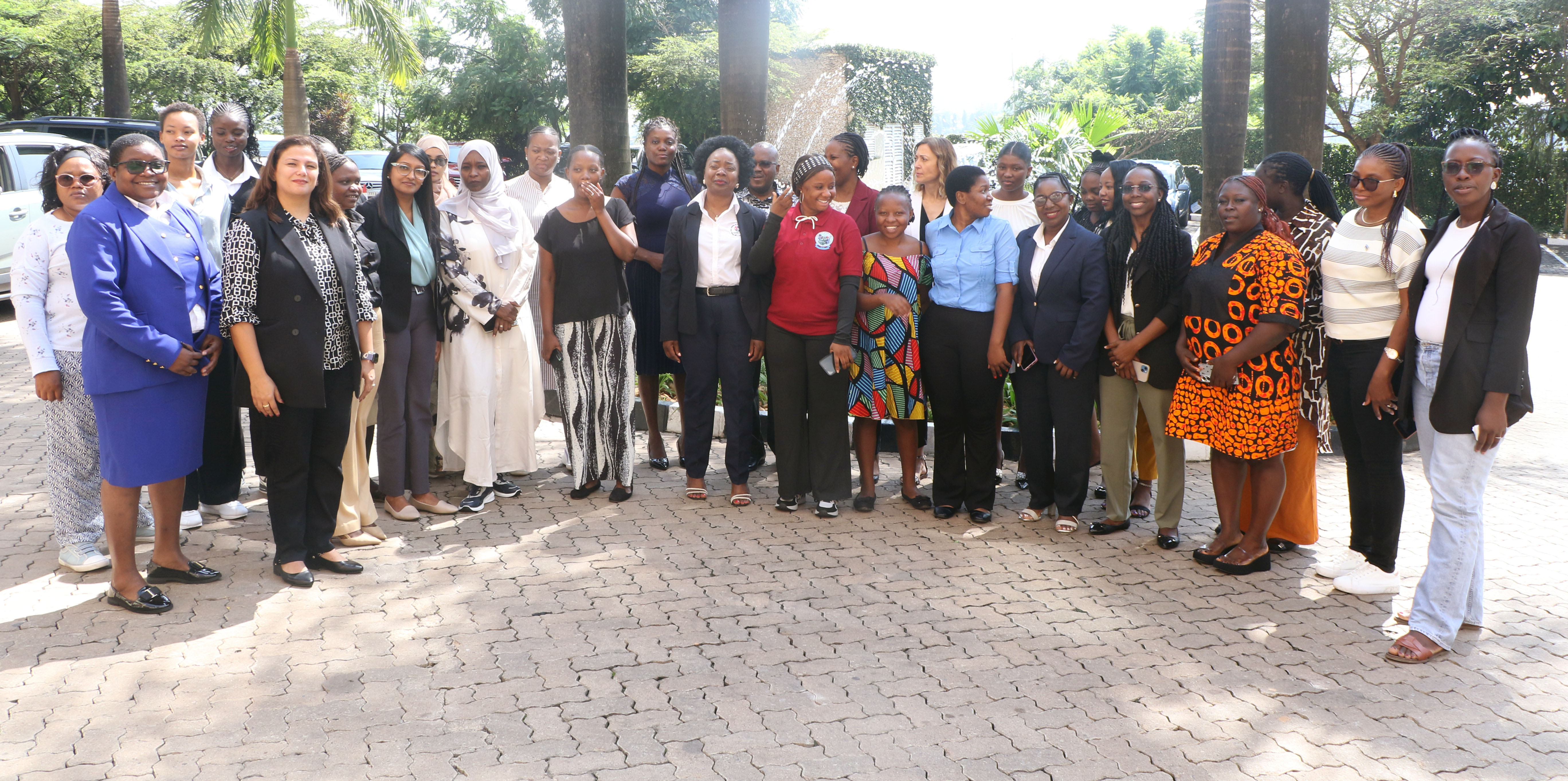
From 12–14 November 2025, the United Nations Environment Programme (UNEP)/OzonAction, in partnership with the Rwanda Environment Management Authority (REMA), hosted the Regional Training Workshop for Female Refrigeration and Air-conditioning (RAC) Technicians from Anglophone African countries. The workshop aimed to empower women to lead the transition toward sustainable and climate-friendly cooling. It brought together 28 female practitioners, regional experts, and national representatives to strengthen technical capacity and leadership in advancing environmental sustainability within the RAC sector.
In her opening remarks, Director General for Rwanda Environment Management Authority, Juliet Kabera underscored the vital role of the refrigeration and air-conditioning sector in safeguarding health, food security, and the environment.
“The refrigeration and air conditioning sector is vital for food safety, healthcare, advancing climate action, and ozone protection. Empowering women to lead the shift to climate-friendly refrigerants drives innovation, efficiency, and sustainable cooling and development,” she said.
The Kigali training followed the success of the 2023 Cairo workshop and was part of UNEP OzonAction’s efforts under the Montreal Protocol and its Kigali Amendment to promote low global warming potential (GWP), technologies and gender inclusion in the cooling industry. The workshop combined hands-on technical training with peer networking opportunities, ensuring participants were equipped with practical knowledge on safe refrigerant handling, energy-efficient systems, and gender-responsive approaches in RAC servicing.
In his remarks, Patrick Salifu, UNEP Montreal Protocol Regional Coordinator for Anglophone Africa, emphasized the connection between gender equality and sustainable environmental progress:
“Today, we reaffirm that gender equality is not just a social imperative—it is a strategic necessity for achieving our environmental goals. Empowering women in this sector accelerates SDG 5 and ensures sustainable cooling.”
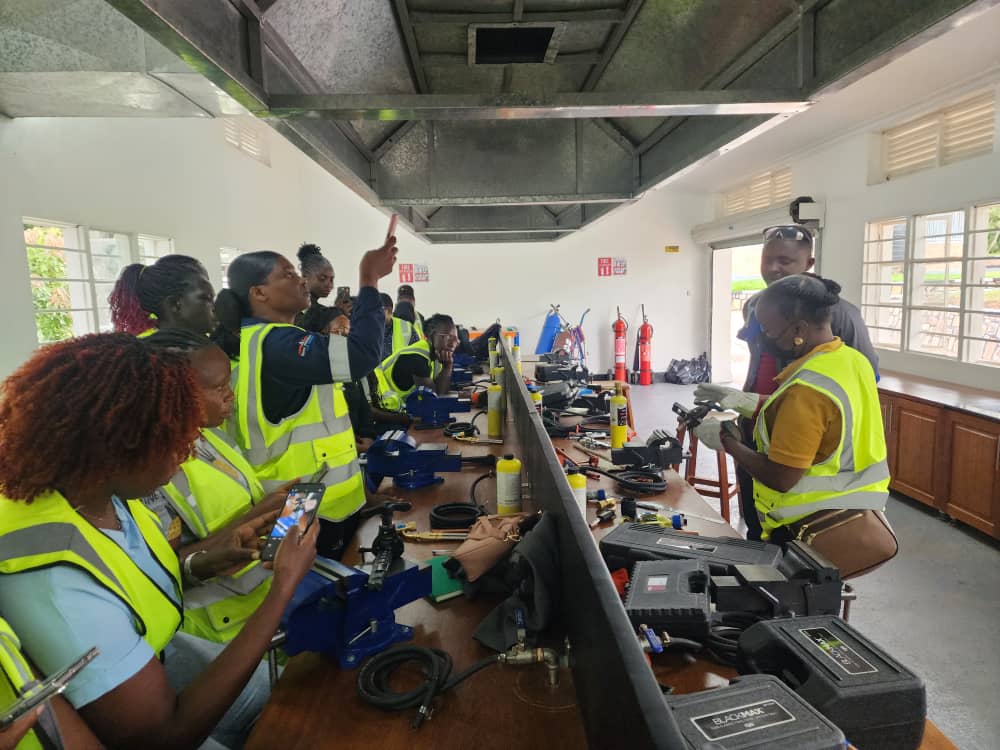
During their workshop session, they visited the Africa Centre for Excellence for Sustainable Cooling, where the participants immersed themselves in a hands-on technical session designed to deepen their practical understanding of sustainable cooling systems. They explored a wide range of workshop equipment, observed live demonstrations, and practiced key procedures such as safe refrigerant handling, system diagnostics, and maintenance of low-GWP and energy-efficient technologies. Trainers provided guidance on best practices while encouraging participants to exchange experiences and propose solutions to common challenges in their respective countries. The visit not only enhanced their technical skills but also strengthened peer learning, confidence, and collaboration, further equipping them to champion sustainable and climate-friendly cooling across the Anglophone African region.
Through technical demonstrations, mentorship sessions, and policy discussions, the Kigali workshop helped build a sustainable network of female RAC professionals across Africa. It reflected UNEP’s commitment to implementing the Executive Committee’s Gender Policy and advancing inclusive participation in the green transition.
The outcomes of this initiative strengthened national ozone and climate programs, enhanced women’s access to green jobs, and reinforced Africa’s contribution to the global transition toward ozone-safe and climate-resilient cooling.
END