Nature-Finance Innovations Take Centre Stage at Africa and Arab States Conference in Kigali
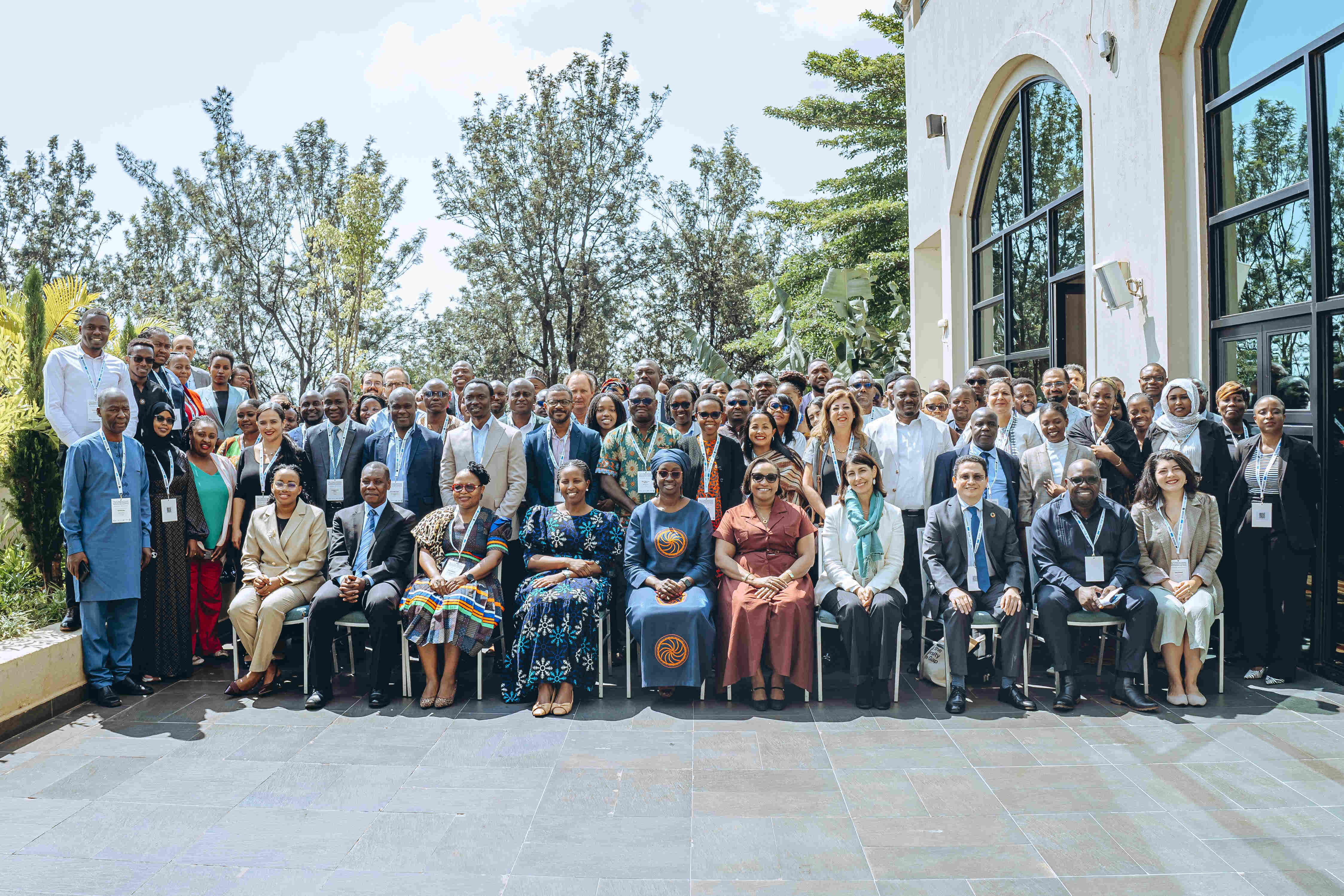
KIGALI, Rwanda – 25 June 2025 - More than 150 biodiversity-finance experts and senior government officials from over 55 countries across Africa and the Arab States are meeting in Kigali this week to turn conservation plans into investments that deliver results for people and planet.
Hosted by the Government of Rwanda and the United Nations Development Programme’s Biodiversity Finance Initiative (UNDP-BIOFIN), the three-day 11th Regional Dialogue on Biodiversity Finance marks a decisive shift from mapping funding gaps to rolling out finance solutions - such as green bonds, nature-based insurance and biodiversity credits - tailored to national priorities.
"Rwanda is proud to host this dialogue on biodiversity finance,” said Juliet Kabera, Director General, Rwanda Environment Management Authority. “As custodians of one of the world’s richest ecosystems, we believe in the power of innovative solutions to transform our biodiversity commitments into tangible action. This dialogue is a vital step in creating a future where biodiversity is not just preserved but becomes a cornerstone of sustainable development. Together, we can build economies that thrive in harmony with nature."
With support from the Global Environment Facility (GEF), more than 40 countries in the two regions are joining the dialogue for the first time, laying the foundation for long-term financing plans that align national development priorities with the global biodiversity agenda.
“This Regional Dialogue marks a pivotal moment for Africa and the Arab States. They represent the fastest-growing regions in the BIOFIN family, with 44 countries newly joining the initiative—accounting for nearly half of all recent global additions. This expansion has been made possible through the continued support of the Global Environment Facility (GEF),” said Onno van den Heuvel, Head of Nature Finance, UNDP. “By combining innovative instruments like green bonds, nature-based insurance, and biodiversity credits with strong government and private sector partnerships, we’re demonstrating that finance can be a powerful driver for conserving ecosystems and lifting communities.”
Carlos Manuel Rodríguez, CEO and Chairperson, Global Environment Facility, added: “Scaling biodiversity finance is not just about mobilizing funds - it’s about transforming systems. The momentum we see in Africa and the Arab States shows what’s possible when countries take ownership and partners like the GEF and UNDP provide catalytic support.”
Through UNDP-BIOFIN’s global partnership with the GEF, 92 new countries are advancing their national Biodiversity Finance Plans.
The three-day dialogue aims to support countries to move from planning to implementation, with the new cohort benefiting from the solutions that have already succeeded in their respective regions.
“Biodiversity is critical infrastructure,” said Fatmata Lovetta Sesay, UNDP Resident Representative in Rwanda. “Nature underpins food security, water, health, and climate resilience. Without it, our economic future rests on unstable ground. Our budgets must begin to reflect biodiversity’s true value. Rwanda is an example of what’s possible when leadership meets innovation. By digitizing enforcement and reinvesting in ecosystems, Rwanda is not only protecting nature – it is powering inclusive, sustainable development."
Showcasing Solutions in Action
Participants will sharpen new finance plans while learning from early successes across the region. Hera are some of them:
- Rwanda launched IremboPay, a digital platform that simplifies and streamlines the collection of environmental fines and fees. The system has already facilitated the collection of over US$122,000, which is being reinvested into conservation initiatives through the Rwanda Green Fund.
- Botswana reformed protected area fees based on BIOFIN recommendations, raising more than $7 million in additional revenue to invest back into conservation.
- Zambia issued its first green bond in 2023, valued at $200 million. Of this total, $150 million has already been raised and directed toward renewable energy and biodiversity-related investments.
- South Africa developed 16 biodiversity finance solutions, including efforts to reform harmful subsidies, scale ecosystem restoration, and create jobs in the biodiversity economy.
- In Egypt, BIOFIN supported a new model for generating revenue through tourism and enterprise linked to protected areas, creating a more sustainable path for conservation funding.
Finance for Finance
Africa and the Arab States are home to some of the world’s most important ecosystems. But despite their natural wealth, these regions face serious financing gaps. The global shortfall in biodiversity funding is estimated at over $700 billion per year.
As traditional development aid continues to decline, the need for more catalytic funding models has never been greater. Finance for finance, the strategic use of limited donor resources to unlock much larger pools of public and private finance, offers a critical pathway forward.
UNDP’s BIOFIN has deployed a finance-for-finance approach in 41 countries to catalyze over US$1.6 billion for nature since 2018.
‘Harmful’ Subsidies and Private sector on the radar
Countries increasingly recognize that repurposing harmful subsidies offers a double win: it not only offers fiscal savings for governments but also delivers major biodiversity gains by ending incentives that drive environmental destruction. UNDP-BIOFIN is supporting countries to identify and reverse public spending that is harmful to nature.
The conference recognizes the growing role of the private sector in driving nature-positive investment decisions, through blended finance instruments such as green bonds, and approaches such as access and benefit sharing as well as contributions for genetic resources that their businesses are anchored to.
A global shift to nature-positive economies could generate as much as $10 trillion in new business opportunities, according to UNDP’s Nature Pledge – a flagship commitment to support 140 countries to achieve the global biodiversity targets.
The conference momentum feeds directly into countries’ efforts to meet the Kunming-Montreal Global Biodiversity Framework targets and craft resilient, nature-positive economies.
Notes to Editors
UNDP
UNDP is the leading United Nations organization fighting to end the injustice of poverty, inequality, and climate change. Working with our broad network of experts and partners in 170 countries, we help nations to build integrated, lasting solutions for people and the planet. Learn more at www.undp.org or follow at @UNDP_Rwanda.
Global Environment Facility
The Global Environment Facility (GEF) includes several multilateral funds working together to address the planet's most pressing challenges in an integrated way. Its financing helps developing countries address complex challenges and work towards meeting international environmental goals. Over the past three decades, GEF has provided more than US$26 billion in financing, primarily as grants, and mobilized another US$148 billion for country-driven priority projects. For more information visit www.thegef.org.
Biodiversity Finance Initiative
The Biodiversity Finance Initiative (BIOFIN) is a global partnership, led by the United Nations Development Programme (UNDP) working with over 133 countries to develop and implement finance solutions for nature. BIOFIN helps governments identify, mobilize, and align public and private financial flows to close the biodiversity finance gap and integrate biodiversity into national planning, budgeting, and economic policy.