Building Community Resilience: REMA kickstarts the construction of IDP Model Villages to Relocate Beneficiaries and Combat Climate Change
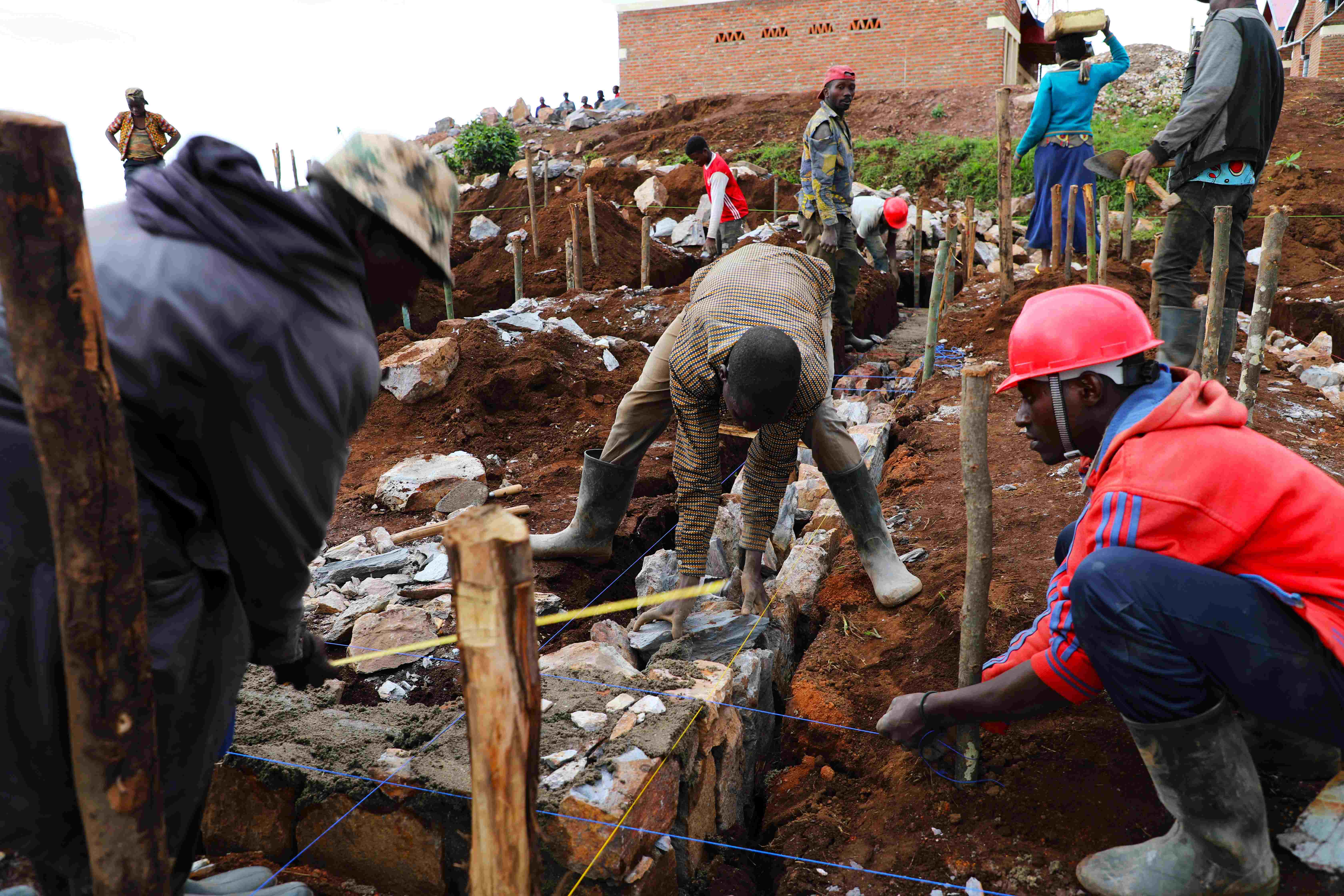
The Rwanda Environment Management Authority (REMA) has launched the construction of an intergrated development program (IDP) model village village aimed at relocating residents from high-risk areas vulnerable to climate change and creating a more resilient future for Rwandan communities.
The initiative is part of activities being carried out by REMA in line with implementing the Landscape Restoration Approach to Climate Proof the Rural Settlement Project, also known as LDCF3 Project.
The IDP model villages are being established in both Gakenke and Kirehe District, where the project is being implemented. They will serve as a blueprint for future settlements, demonstrating how to integrate climate-proofing measures into rural development. Beneficiaries currently residing in areas prone to landslides, floods, or other climate-related disasters will be relocated to the new villages, ensuring their safety and well-being.
REMA's Landscape Restoration Approach to Climate Proof the Rural Settlement Project incorporates innovative solutions to build community resilience against climate change. This includes utilizing ecosystem-based adaptation strategies, such as sustainable land management practices and the restoration of degraded landscapes.
"This project represents a significant step forward in Rwanda's fight against climate change," said Charles Sindayigaya, LDCF3 Project Manager.
"By relocating vulnerable communities and implementing climate-proofing measures, we are building a more resilient future for generations to come." He added.
Key aspects of the project include:
- Relocation to a safer location: The model village will be situated in a less climate-vulnerable area, ensuring the safety of relocated residents.
- Climate-proofed infrastructure: The new village will feature homes and facilities designed to withstand extreme weather events.
- Sustainable land management practices: The project will promote techniques like terracing and erosion control to protect the surrounding environment.
- Ecosystem restoration: Degraded landscapes around the village will be restored, enhancing biodiversity and improving the overall health of the ecosystem.
The construction of the IDP Model villages signifies a major milestone in REMA's vision for climate-resilient rural settlements.
The LDCF3 Project is a fiye year initiative to climateproof the rural settlements. It is being implemented by REMA in partnership with Rwanda Housing Authority, Meteo Rwanda and the Districts of Gakenke and Kirehe with support from the Global Envir